



Introduction
Agriculture has always been the backbone of human civilization, but modern challenges such as climate change, water shortages, and increasing food demand are forcing the industry to evolve. Farmers around the world are now adopting advanced technologies to improve productivity and sustainability. The Future of Agriculture with Smart Farming Solutions lies in the integration of digital tools, automation, and data-driven farming practices that help maximize crop yields while minimizing environmental impact.
What Are Smart Farming Solutions?
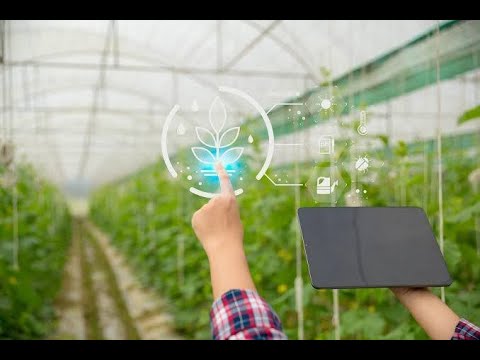
Smart farming solutions refer to the use of advanced technologies such as the Internet of Things (IoT), artificial intelligence (AI), drones, robotics, and sensors in agriculture. These technologies enable farmers to monitor crops, soil conditions, weather patterns, and livestock in real time.
By using connected devices and intelligent systems, farmers can make better decisions regarding irrigation, fertilization, pest control, and harvesting. This technological transformation is shaping The Future of Agriculture with Smart Farming Solutions by making farming more efficient and cost-effective.
Benefits of Smart Farming
Improved Crop Productivity
One of the biggest advantages of smart farming is increased crop productivity. Sensors and AI-powered systems help farmers identify the exact needs of crops, reducing waste and improving overall yield.
Efficient Water Management
Water scarcity is a major issue in many agricultural regions. Smart irrigation systems use real-time data to provide crops with the right amount of water, preventing overuse and conserving valuable resources.
Reduced Environmental Impact
Traditional farming methods often lead to excessive use of fertilizers and pesticides. Smart farming technologies allow precise application of these chemicals, reducing pollution and protecting soil health.
Better Decision-Making
Data analytics tools provide farmers with valuable insights about weather conditions, crop health, and market trends. This allows them to make informed decisions and reduce financial risks.
Technologies Driving Smart Agriculture
Internet of Things (IoT)
IoT devices such as soil sensors and weather stations collect valuable data from farms. This information helps farmers optimize farming operations and improve efficiency.
Drones and Satellite Imaging
Drones are widely used for crop monitoring, spraying fertilizers, and identifying plant diseases. Satellite imaging also provides large-scale insights into farm conditions.
Artificial Intelligence and Machine Learning
AI systems can predict crop diseases, recommend planting schedules, and analyze large amounts of agricultural data. These technologies are accelerating The Future of Agriculture with Smart Farming Solutions by automating complex farming tasks.
Robotics and Automation
Automated tractors, robotic harvesters, and smart machinery reduce labor costs and improve operational accuracy. Automation also helps farmers complete tasks faster and more efficiently.
Challenges in Smart Farming Adoption
Despite its benefits, smart farming still faces several challenges. High implementation costs, lack of technical knowledge, and limited internet connectivity in rural areas can slow adoption. Small-scale farmers may also struggle to invest in advanced equipment.
However, governments and agricultural organizations are increasingly supporting digital farming initiatives through subsidies, training programs, and research projects.
The Road Ahead
The agricultural sector is rapidly transforming with technological innovation. As global food demand continues to rise, farmers will increasingly rely on digital tools to improve sustainability and productivity. The Future of Agriculture with Smart Farming Solutions will focus on creating eco-friendly, efficient, and highly productive farming systems that benefit both farmers and consumers.
Conclusion
Smart farming is no longer just a concept of the future; it is becoming a necessity for modern agriculture. From AI-powered analytics to automated machinery, technology is revolutionizing how food is produced worldwide. As innovation continues to advance, The Future of Agriculture with Smart Farming Solutions promises a more sustainable, profitable, and resilient agricultural industry for generations to come.
