



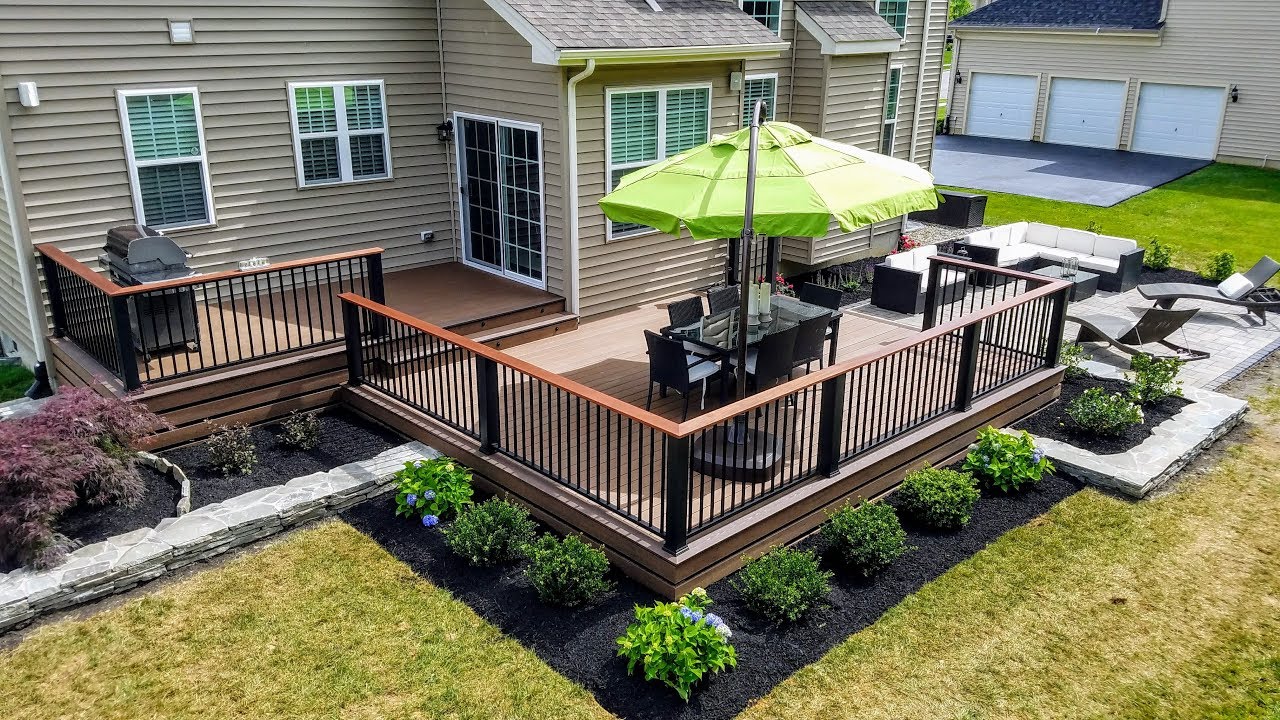
There comes a point when patching things up just doesn’t cut it anymore. Maybe your irrigation keeps failing in different spots, the turf looks tired no matter how much you water it, or the outdoor living space you envisioned years ago never quite came together. A full landscape renovation isn’t a weekend project – it’s a coordinated transformation that, when done right, becomes one of the most rewarding investments a Central Texas homeowner can make.
The Hill Country and greater Austin corridor present a genuinely unique set of conditions. Summers are brutal, the soil swings between rocky limestone and dense clay depending on where you are, and water restrictions continue to shape what’s practical. Any serious renovation plan has to account for all of this from the very beginning – not as an afterthought.
Where Should You Actually Start?
Most homeowners assume the planning process begins with picking plants. It doesn’t. Before a single species gets selected, a thorough site assessment has to happen. That means understanding how water moves across your property during heavy rain events, where shade falls at different times of year, which areas get reflected heat off exterior walls or concrete, and what the soil composition looks like beneath the surface.
Working with an experienced landscape designer in Austin tx is worth it at this stage specifically because they bring a trained eye to patterns that aren’t obvious to someone who simply lives in the house. They can identify why that shaded corner stays soggy for days, why certain sections bake out faster than others, and which existing trees are worth designing around versus which ones are already compromised.
Once the assessment is complete, the design phase becomes far more purposeful. You’re not choosing plants based on what looks good at the nursery – you’re choosing them based on what will actually thrive in the specific microenvironments your property contains.
What Does a Phased Renovation Actually Look Like?
For large luxury properties, attempting everything at once is rarely realistic or advisable. The smarter approach is a phased plan that sequences work logically – infrastructure first, then hardscape, then planting, then finishing details.
Infrastructure covers irrigation, drainage, lighting conduit, and any grading corrections. These are the systems buried beneath everything else. If you redesign the planting beds and hardscape first and then discover the drainage is wrong, you’re tearing things apart and starting over. Getting underground systems right before anything is installed above them saves significant time and money.
Hardscape comes next – the patios, walkways, retaining walls, water features, and outdoor kitchen structures. In Central Texas, natural limestone and decomposed granite remain popular choices because they handle thermal expansion well and fit the regional aesthetic. Travertine and concrete pavers have also become more refined in their design options, giving luxury properties a cleaner, more contemporary feel when that’s the direction a homeowner wants to go.
Once the bones are in place, the planting design can be installed with precision. A skilled residential landscaping in Austin will emphasize Texas-adapted plants not just for drought tolerance but because they’re genuinely beautiful – native salvias, muhly grass, Texas mountain laurel, desert willow, and live oaks anchor a landscape that looks intentional rather than imported.
How Do You Balance Aesthetics With Water Responsibility?
This question comes up in nearly every luxury renovation conversation, and it deserves a direct answer: you don’t have to choose between a beautiful landscape and a responsible one. The two are not in conflict in Central Texas – they’re actually aligned.
The shift in recent years has moved away from large expanses of turfgrass toward layered planting beds, groundcovers, and native meadow sections that require a fraction of the irrigation. Smart drip systems with soil moisture sensors have replaced timer-based spray heads on many high-end properties, and the water savings are significant without any sacrifice in plant health or visual quality.
Swimming pool surrounds, which are a major feature on many luxury properties, benefit from the same thinking. Native ornamental grasses and low-water flowering perennials around a pool edge create a resort-like feel while keeping maintenance demands manageable through the hottest months.
Can Outdoor Living Spaces Be Integrated Into the Renovation Plan?
Absolutely – and in many cases, the outdoor living component is the entire reason a homeowner decides to undertake the renovation in the first place. Covered pergolas, outdoor kitchens, fire pit areas, and bocce courts are being designed as genuine extensions of the home rather than standalone add-ons.
The key to making this work seamlessly is involving the landscape designer early enough that the built structures and the planted areas are conceived as a single composition. When the hardscape and softscape are designed together, the transitions feel natural and the scale of everything relates properly. When the pergola gets built first and landscaping gets wrapped around it later, the result almost always looks like exactly that – an afterthought.
Lighting design also belongs in this conversation early. Architectural uplighting on specimen trees, path lighting through garden areas, and ambient lighting around outdoor seating zones all require conduit and wiring that gets placed during the infrastructure phase. Retrofitting landscape lighting into a finished renovation is far more disruptive and expensive.
What Should You Look for in a Landscape Design Partner?
Experience in Central Texas specifically matters more than a general portfolio. The region’s plant palette, soil challenges, and water restrictions are distinct enough that a firm without local roots is going to be learning on your property. Look for a team that can walk you through their process for site assessment, show you examples of completed Austin-area renovations at a comparable scale, and demonstrate that they think in terms of the long-term health of the landscape rather than just installation day.
Communication style also matters enormously in a project that spans several months. You want a partner who sets realistic timelines, explains tradeoffs clearly, and doesn’t disappear between phases. A full landscape renovation involves a lot of decisions along the way – plants that aren’t available, weather delays, changes in preference – and the ability to navigate those adjustments smoothly makes a significant difference in the final result.
Frequently Asked Questions
How long does a full landscape renovation typically take for a large Central Texas property?
For properties over half an acre with significant hardscape, infrastructure work, and planting, a complete renovation generally runs between four and eight months depending on the scope. Phased projects may extend beyond that if the homeowner chooses to spread out certain portions over multiple growing seasons, which is often a sensible approach.
Is it worth renovating the landscape before selling a luxury home in Austin?
In most cases, yes – with some qualifications. A thoughtfully designed and well-maintained landscape adds measurable curb appeal and perceived value in the Austin luxury market. However, a rushed or incomplete renovation done purely for resale can work against you. If time is short, targeted improvements to the most visible areas tend to deliver better returns than a hasty full-scale project.
What’s the best time of year to start a landscape renovation in Central Texas?
Fall is widely considered the ideal planting season for Central Texas because cooler temperatures allow root systems to establish before summer heat arrives. However, infrastructure and hardscape work can happen year-round. Starting the planning and design phase in late summer positions you to begin installation in September or October, which is a strong setup for the planting phase.
