



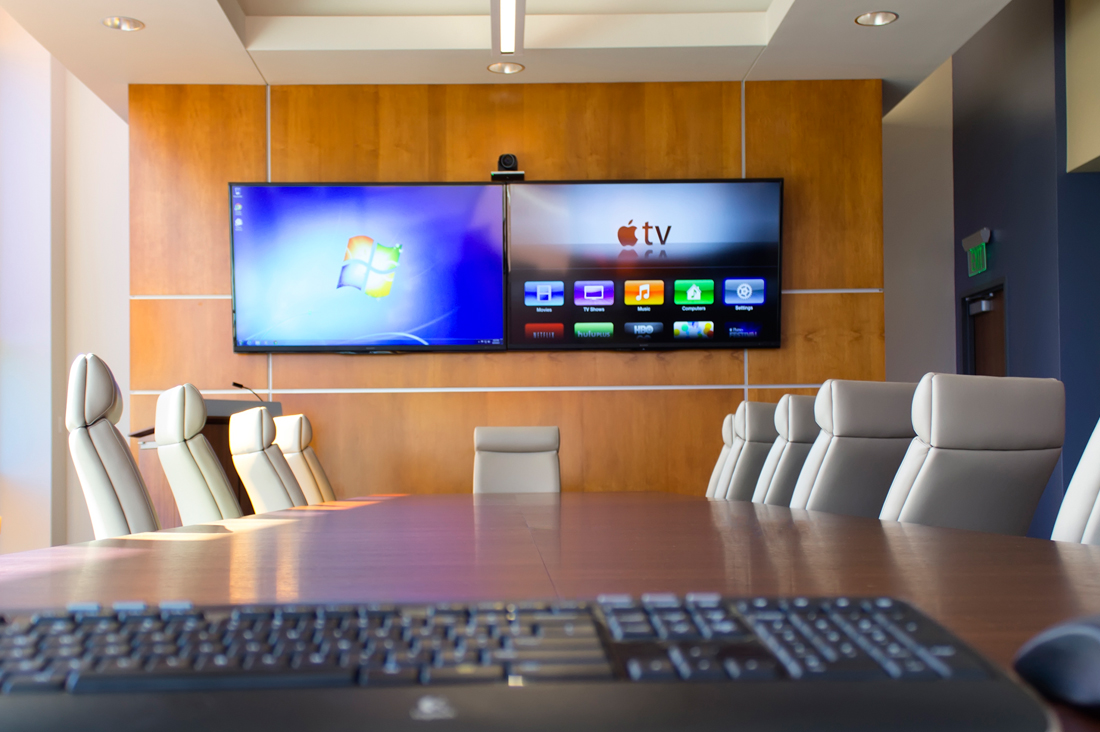
Corporate events today rely on strong technology. Clear sound and sharp visuals matter more than ever. That is where corporate AV services come in. They help businesses run meetings, conferences, and large events without stress. But how much do these services really cost? Average corporate services generally range from $2,000 for small meetings to over $300,000 for large-scale galas.
These prices depend on your specific event needs and the technology used. Costs fluctuate based on project complexity, room size, and equipment quality. Professional labor and integration with existing IT systems also impact the final bill. Finally, you should consider the event duration, venue fees, and any additional services like live streaming.
Average Cost of Corporate Audiovisual Services in Oklahoma City
Below is a simple table showing pricing ranges for different types of events.
| Event Type | What’s Included | Estimated Cost |
| Small Corporate Meetings | Basic sound system, microphone, projector or screen, setup and testing, minimal support | $2,000 – $10,000 |
| Mid-Size Conferences | Multiple microphones, larger displays, lighting, full setup, on-site technical team | $10,000 – $50,000 |
| Large Corporate Events | Advanced audio systems, video walls, cameras, staging, and a full production crew | $50,000 – $150,000 |
| Large-Scale Events or Galas | Full AV production, lighting design, multi-camera setups, live streaming, and project management | $100,000 – $300,000+ |
Disclaimer: These costs are just rough estimates. Please contact a service provider to get a detailed, custom quote.
Key Factors That Affect Corporate AV Service Costs
Several important factors determine the overall cost of AV services.
-
Project Scope and System Complexity
The bigger the project, the higher the cost. Simple meeting rooms are easy to set up. They may include automation, control panels, and integrated networks.
Step by step, here is how complexity affects cost:
- Basic setup needs fewer components
- Advanced systems need design planning
- Integration adds more work
- Testing and calibration take time
- Maintenance planning may be included
So yes, complexity increases both time and cost.
-
Size and Type of Space
The physical room matters a lot. A small office is easy to wire. But a spacious campus is much harder. Large spaces need more equipment to fill the room with sound.
- You will need long cables to reach every corner.
- Power outlets should be in the right spots.
- Large rooms often require signal boosters.
- Thick walls might mean more wireless access points.
- High ceilings require special mounting gear.
- The layout affects where people sit and see.
- Open spaces usually need more acoustic treatment.
-
Equipment Quality and Technology Level
Not all equipment is the same. Entry-level systems cost less but they offer limited features.
Advanced systems include:
- High-quality speakers
- LED video walls
- Smart control systems
- Video conferencing tools
- Automation features
- Wireless connectivity
- Real-time monitoring
And these raise the cost. But they also improve the experience.
-
Labor and Installation Requirements
Skilled technicians are essential because they handle the setup, programming, and testing. Then comes the actual installation time for the gear. A simple setup may take a few hours but a complex one takes many days. For example, a full building system requires a massive crew and careful planning. Labor is a major part of your professional budget for any project.
-
Integration with Existing Systems
Sometimes, AV systems should connect with existing tools. Like IT networks or communication platforms. But what if systems are not compatible? Then upgrades are needed.
This can include:
- Software updates
- Hardware replacements
- Network adjustments
And that adds extra cost. It makes you think, is your current setup ready for integration?
-
Duration of the Event
The length of the event affects the pricing. A one-day event costs less. But a multi-day event costs more. Why is that? It is because the equipment stays at the venue longer. And the technicians should work more hours. For example, a three-day conference in a hotel will cost more than a one-day seminar. Even if the gear is exactly the same.
-
Venue Requirements
Every venue is different. Some have strict rules. Some charge extra fees.
Common venue-related costs include:
- Rigging charges
- Power supply fees
- Internet bandwidth costs
- Setup restrictions
- Limited access hours
And these can increase the final price. For instance, a hotel ballroom may charge extra for power usage.
-
Additional Services
Extra services can improve the event. But they also increase cost.
Here are some common add-ons:
- Live streaming
- Event recording
- Post-production editing
- Custom graphics
- Branding elements
- Stage design
- Audience interaction tools
For example, adding live streaming to a conference can increase the budget by thousands. But it also expands your audience.
Conclusion
Corporate AV services are not a one-size solution. It all depends on your needs. Estimating the total cost for corporate AV services requires looking at many factors beyond just the hardware. While a basic meeting might start around $2,000, high-end galas often exceed $300,000 due to technical complexity.
Several variables dictate these figures, such as the physical dimensions of your venue and the specific caliber of gear selected. Furthermore, you should account for specialized labor, seamless IT integration, and event length. Additional features like live streaming or venue-specific power fees also significantly shift the final budget.
