



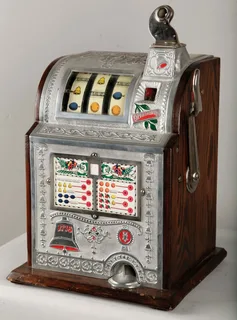
Casino entertainment can be enjoyable when approached with clear boundaries. Responsible gambling focuses on maintaining control over time, spending, and emotional decisions.
Rather than trying to eliminate all risk, responsible best online casino encourages people to understand the risks and establish practical limits.
Set a Gambling Budget
The first step is creating a fixed entertainment budget.
This should be money that can be lost without affecting essential expenses.
Rent, food, utility bills, debt payments, savings, and emergency funds should not depend on gambling results.
Never Chase Losses
Chasing losses occurs when someone increases gambling activity because they want to recover previous losses.
This can create a cycle of increasingly risky decisions.
A loss should be treated as part of the cost of gambling entertainment rather than a debt that must immediately be recovered.
Set Time Limits
Money is not the only resource that needs protection.
Casino sessions can last longer than expected, particularly with fast-paced digital games.
Setting a time limit before playing can encourage better control.
Understand the Odds
Knowing that casino games generally provide a mathematical advantage to the operator can create more realistic expectations.
Winning is possible, but it is never guaranteed.
A player should not view gambling as a dependable income source.
Avoid Emotional Gambling
Emotions can influence gambling decisions.
Stress, frustration, excitement, and overconfidence may encourage players to make choices they would not normally make.
Taking a break can help restore perspective.
Use Gambling Controls
Many regulated gambling platforms provide tools designed to help users control activity.
Depending on the operator, these may include:
- Deposit limits
- Loss limits
- Session reminders
- Cooling-off periods
- Self-exclusion
These tools can be useful even when gambling currently feels manageable.
Recognizing Warning Signs
Potential warning signs include repeatedly exceeding limits, borrowing money to gamble, hiding gambling activity, chasing losses, or feeling unable to stop.
Recognizing these patterns early is important.
Gambling and Financial Planning
Gambling should never replace financial planning.
Players should maintain separate budgets for essential expenses, savings, and entertainment.
Keeping these categories separate can make spending easier to monitor.
Take Regular Breaks
Breaks provide an opportunity to evaluate whether gambling remains enjoyable.
If a player feels irritated when not gambling or constantly thinks about recovering losses, stepping away may be particularly important.
Avoid Gambling Under Pressure
People experiencing financial difficulties may be especially vulnerable to viewing gambling as a solution.
However, casino games are not reliable financial recovery tools.
Using gambling to solve debt or income problems can make financial pressure worse.
Keep Records
Tracking deposits, withdrawals, and spending can provide a more accurate picture of gambling activity.
Memory often emphasizes exciting wins while minimizing repeated small losses.
Written records provide greater clarity.
Self-Exclusion
Self-exclusion allows a person to voluntarily restrict access to gambling services for a defined period or longer, depending on the system.
It can be an important tool for anyone who feels that ordinary limits are no longer sufficient.
Conclusion
Responsible gambling is fundamentally about control.
Set a budget, establish time limits, avoid chasing losses, understand the mathematics, and use available gambling-control tools.
The goal is not to find a guaranteed way to win.
It is to ensure that gambling remains an optional form of entertainment rather than a source of financial or emotional harm.
