



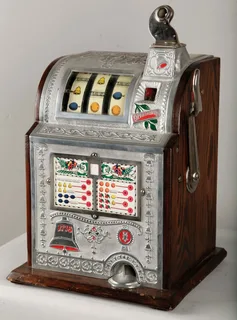
The history of slot machines is a fascinating journey that reflects the evolution of technology, entertainment, and gambling culture. What started as a simple mechanical device in the late 19th century has grown into one of the most popular forms of casino gaming around the world. Today, slot machines can be found not only in land-based casinos but also in online platforms, offering players immersive graphics, advanced features, and massive jackpots. Understanding how slot machines developed over time helps reveal why they remain such a beloved game among millions of players.
The story of slot machines begins in the late 1800s, when inventors started experimenting with mechanical gambling devices. The earliest version of a slot gacor terbaru was created by Charles Fey, a mechanic from San Francisco. In 1895, he introduced a machine known as the Liberty Bell. This invention featured three spinning reels and a set of symbols such as horseshoes, stars, and bells. When the reels stopped on matching symbols, players received a payout. The Liberty Bell quickly became popular in bars and gambling establishments because it was simple, automatic, and exciting to play.
Before the Liberty Bell, gambling machines already existed, but they were more complicated and often required manual payouts from the establishment owner. Fey’s machine changed the industry by including an automatic payout system. This innovation made the game faster and more reliable, allowing it to spread quickly across the United States. However, gambling laws in many states later restricted slot machines, forcing manufacturers to become creative in order to continue operating.
During the early 1900s, many link mahjong slot ways terbaru machines began using fruit symbols such as cherries, lemons, and oranges. These machines were often called “fruit machines.” Instead of paying out cash, some machines rewarded players with gum or candy that matched the flavor of the fruit symbols on the reels. This clever workaround allowed businesses to bypass gambling restrictions while still offering an entertaining game to customers. Interestingly, the fruit symbols became iconic and are still widely used in slot games today.
As technology advanced, slot machines continued to evolve. By the 1960s, the first electromechanical slot machine was introduced. This new design replaced some of the purely mechanical components with electrical systems, allowing for more complex gameplay and larger jackpots. The introduction of flashing lights, sound effects, and new bonus features made the machines even more appealing to players. Casinos quickly adopted these modern slot machines because they generated significant revenue and attracted large crowds.
The next major transformation occurred in the 1970s with the creation of the first video slot machines. Instead of using physical reels, these machines displayed virtual reels on a screen. This innovation allowed developers to add new game mechanics, animated graphics, and interactive bonus rounds. Video slots rapidly gained popularity because they offered a more dynamic and visually engaging experience compared to traditional machines.
The rise of the internet in the 1990s marked another turning point in slot machine history. Online casinos began offering digital slot games that players could access from their computers. This development opened the door to a global audience and introduced features such as progressive jackpots, where prize pools grow larger as more players participate. Online slots also allowed developers to experiment with themes inspired by movies, mythology, adventure stories, and pop culture.
In the modern era, slot machines have become highly sophisticated entertainment systems. Advanced software, random number generators, and high-definition graphics create fair and immersive gameplay experiences. Many games now include multiple paylines, free spin features, and mini-games that add layers of excitement beyond simply spinning the reels. Mobile technology has also allowed players to enjoy slot games on smartphones and tablets, making them more accessible than ever before.
Another significant development is the use of progressive jackpot networks that connect machines across multiple casinos or online platforms. These systems allow jackpots to reach life-changing amounts, sometimes worth millions of dollars. Stories of lucky players winning enormous prizes have further increased the popularity of slot machines around the world.
Despite all the technological advancements, the basic concept of slot machines has remained the same for over a century: spin the reels and hope for a winning combination. The simplicity of the game, combined with the thrill of unpredictability, continues to attract both casual players and experienced gamblers alike.
In conclusion, the history of slot machines is a remarkable example of how a simple mechanical invention can evolve into a global gaming phenomenon. From the Liberty Bell machine in the 1890s to today’s immersive online slots, these games have continually adapted to new technologies and player preferences. As innovation continues in the gaming industry, it is likely that slot machines will keep evolving, offering even more exciting experiences for future generations of players.
