



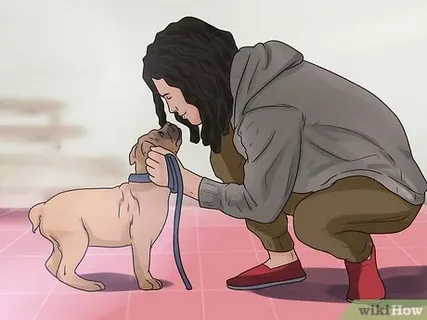
Training a dog can be both exciting and challenging, and finding the right resources makes all the difference. That’s why many dog owners turn to the best dog training videos for guidance. At Rob’s Dog Training, we understand how important it is to have clear, easy-to-follow instruction that suits both your dog’s personality and your lifestyle. Our goal is to provide practical, step-by-step training techniques that help you develop a strong bond with your furry friend while teaching them essential skills and good behavior. You can learn more about our methods and services at https://robsdogs.com/.
When starting your dog training journey, it’s important to know that every dog is unique. Puppies and adult dogs have different learning capacities, attention spans, and behavioral patterns. That’s why watching a variety of training videos can be so helpful, they offer visual demonstrations of techniques that can sometimes be difficult to grasp through written instructions alone. A good training video shows not just how to give commands, but how to read your dog’s body language, how to reward positive behavior, and how to correct mistakes calmly and effectively.
Choosing the Right Dog Training Videos for Your Dog
Not all training videos are created equal. The best ones focus on positive reinforcement techniques rather than punishment-based methods. Positive reinforcement helps your dog understand which behaviors are desired, using rewards such as treats, toys, or praise. Videos that emphasize harsh corrections or shock methods can harm the relationship between you and your dog and may lead to fear or anxiety. Look for instructors who explain the reasoning behind each step, demonstrate exercises clearly, and offer variations for dogs of different breeds and sizes.
Another key factor is pacing. Training videos that move too quickly can be overwhelming, especially for first-time dog owners. Ideally, each video should break down commands into small, manageable steps, allowing you and your dog to practice each stage thoroughly before moving on. Videos that include real-life examples, such as walking on a leash in a busy park or interacting with other dogs, provide valuable context and help you anticipate challenges you may face outside of a controlled environment.
Basic Commands Every Dog Should Learn
Some of the most common commands to focus on early include “sit,” “stay,” “come,” “leave it,” and “down.” Videos that cover these basics often include demonstrations showing exactly how to get your dog’s attention, how to reward them, and how to repeat exercises until the behavior becomes consistent. Repetition is key; dogs learn best when they practice commands regularly and receive immediate, consistent feedback.
For example, teaching “sit” usually starts with holding a treat above your dog’s nose and moving it back over their head. Most dogs will naturally sit to follow the treat. As soon as they sit, reward them immediately and repeat the process several times in short sessions. Videos often show subtle nuances, like how to position your hand or speak in a calm, clear voice, that can make a significant difference in your dog’s responsiveness.
Leash Training and Socialization
Leash training and socialization are two areas where videos can be especially helpful. Some dogs pull excessively or become anxious around other dogs or people, and seeing real-life examples can give you practical techniques for managing these situations. Training videos often demonstrate tools such as no-pull harnesses, clickers, and structured walks that help your dog learn proper leash behavior without creating stress or frustration.
Socialization is equally important. Dogs that are exposed to different environments, sounds, and people at an early age tend to grow into more confident and well-behaved adults. Videos that include controlled introductions to other dogs, children, or unusual settings provide guidance on how to make these experiences safe and positive.
Addressing Behavioral Challenges
Behavioral issues such as excessive barking, chewing, jumping, or aggression can be frustrating for dog owners. High-quality training videos offer step-by-step methods to address these challenges with patience and consistency. For instance, teaching a dog to stop barking excessively may involve redirecting their attention, teaching alternative behaviors, and ensuring they get adequate exercise and mental stimulation. Videos give you a visual demonstration of the timing, tone, and body language necessary for success, which is often hard to convey in text alone.
Advanced Training Techniques
Once your dog masters basic obedience, many owners want to try more advanced techniques such as agility, scent work, or trick training. Training videos in these areas often include progressive lessons that build on foundational skills. Trick training, for example, not only entertains but also improves your dog’s mental agility and strengthens your bond. Agility training videos show how to safely introduce your dog to obstacles like tunnels, jumps, and weave poles while gradually increasing difficulty as your dog gains confidence.
Consistency Is Key
Watching the best dog training videos is only part of the process. Consistency and patience are essential for long-term success. Make sure to practice commands and exercises daily, even in short sessions. Incorporate training into everyday routines, such as asking for a “sit” before mealtime or practicing “stay” before opening the front door. Videos often emphasize the importance of keeping training sessions positive and avoiding frustration or punishment, which helps maintain a trusting relationship with your dog.
Using Training Videos Responsibly
While training videos are a fantastic resource, it’s important to remember that they are not a substitute for professional guidance when needed. Every dog is different, and some may require additional help from a certified trainer, particularly for severe behavioral issues. Use videos as a supplement to hands-on learning, and don’t hesitate to reach out to experienced trainers if you encounter challenges beyond your comfort level.
Creating a Supportive Training Environment
Your dog’s learning environment significantly impacts their progress. Videos can demonstrate how to create a calm, distraction-free area for practice, which can be particularly helpful for puppies or highly excitable dogs. Starting in a controlled environment and gradually introducing distractions helps your dog generalize commands and respond reliably in various situations. Rewarding success and remaining patient through mistakes reinforces learning and strengthens your bond.
Staying Motivated and Enjoying the Process
Dog training is a journey, not a one-time task. Watching high-quality training videos keeps the process engaging and motivates both you and your dog. Seeing success in other dogs and learning practical strategies can increase your confidence and enjoyment. Celebrate small milestones and remember that consistency, patience, and positive reinforcement are more effective than trying to rush results.
Conclusion
Finding the best dog training videos can significantly improve the way you train and interact with your dog. By following clear, step-by-step instructions, using positive reinforcement, and practicing consistently, you can teach your dog essential commands, address behavioral challenges, and even try advanced training techniques safely and effectively. At Rob’s Dog Training, our videos and guidance are designed to make the learning process enjoyable and successful for both you and your dog. Visit https://robsdogs.com/ to access training resources that will support you every step of the way on your dog training journey.
