



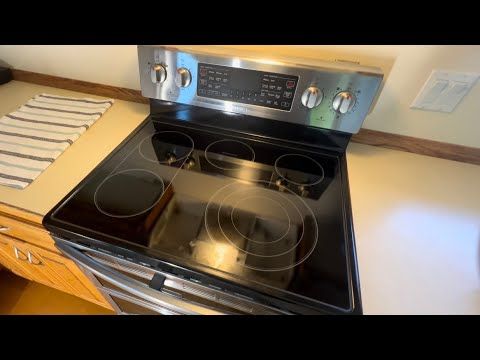
Gas stove repairs are not the same as other appliance jobs. Working on gas lines, burner valves, and ignition systems means an unqualified or rushed repair can leave a hazard behind that isn’t visible when the technician walks out the door. Hiring a gas stove technician without doing a few checks first can lead to voided warranties, incomplete fixes, and real safety risks.
Here’s everything worth knowing before you book the appointment, so you choose the right person and know what to expect from start to finish.
1. Licensing Is Required
Not every appliance repair technician is licensed to work on gas. Most states require a specific gas appliance or gas fitting license on top of a general appliance repair certification, and the requirements vary enough between states that it’s worth checking what applies in yours before assuming the company you call is covered.
How to Confirm It
Confirm before booking:
- Valid state-issued gas appliance repair license
- The company can provide license details on request
- Relevant manufacturer certifications for your stove’s brand
Anyone vague about credentials or who can’t produce documentation is worth avoiding. Legitimate technicians have no reason to hesitate, and a company that deflects this question at the booking stage is unlikely to be more transparent once they’re in your home.
2. General Appliance Experience Doesn’t Cover Gas
Technicians who repair electric ranges are not automatically qualified to work on gas stoves. Gas appliances use different components, require specialized tools, and carry higher safety risks. Ask whether the technician regularly handles gas stove repairs and how often they work on them. Frequent experience means they are more familiar with common faults, use the right diagnostic methods, and are less likely to misdiagnose or overlook underlying problems.
3. Check Their Insurance Before Anyone Enters Your Home
The technician or company should carry both liability insurance and workers’ compensation. Liability insurance covers damage to your property if something goes wrong during the repair, whether that’s a broken fitting, a damaged cabinet, or a gas connection that wasn’t properly sealed. Workers’ compensation means you are not financially responsible if the technician is injured on site.
Why Documentation Matters
Ask for proof of both upfront. Reputable companies provide this without hesitation. If a company tells you they’re insured but can’t show documentation, treat that the same as not being insured at all. The financial exposure from an uninsured repair gone wrong falls entirely on the homeowner.
4. Never Start Without a Written Estimate
Verbal quotes are easy to dispute. Without something in writing, the final invoice can look very different from what was discussed, and you have no documented basis to challenge it.
What the Estimate Should Cover
What a proper estimate should include:
- The diagnosed problem and the proposed fix
- Parts cost listed separately from labor
- The service or diagnostic fee clearly stated
- Total cost confirmed before work begins
If a company resists providing a written estimate, find someone else. Some technicians charge a diagnostic fee before issuing the full estimate, which is standard practice. What isn’t standard is starting work before the customer has seen and approved the total cost in writing.
5. Understand the Warranty Before You Commit
Quality gas stove repairs come with a warranty on both parts and labor. Standard warranties in the appliance repair industry range from 30 days to 12 months depending on the company and the repair type. Parts warranties often follow the manufacturer’s own guarantee on the component, while labor warranties are set by the company.
What to Ask Beyond the Basics
No warranty offered means no confidence in the work. Ask about it before booking rather than after the invoice arrives. It’s also worth asking whether the warranty covers a return visit if the same fault reappears, since some companies cover parts replacement only and charge separately for the labor to come back out.
6. Ask These Questions Before Confirming the Appointment
These five questions take two minutes and reveal a great deal:
- Are you licensed for gas appliance repair in this state?
- Do you carry parts for my stove’s brand in your vehicle?
- Will you provide a written estimate before starting?
- What warranty do you offer on parts and labor?
- How soon can you come out?
Technicians who answer clearly and directly are worth booking. Vague or evasive answers to any of these are a signal worth taking seriously.
7. Know the Red Flags That Mean Walk Away
Some warning signs are easy to miss in the moment:
- No license or unclear answers when you ask
- Pressure to approve the repair immediately without time to consider
- No written estimate before work starts
- Cash-only payment with no receipt provided
- No warranty offered on parts or labor
- Unusually low quote with no breakdown of parts and labor
One of these might be an oversight. More than one and the job goes to someone else. Low price alone is not a red flag, but a low price with no written estimate, no license confirmation, and pressure to decide quickly is a combination worth walking away from regardless of how urgent the repair feels.
8. Know What a Professional Visit Should Look Like
Qualified gas stove technicians arrive with gas-specific diagnostic equipment, identify the fault before quoting, and explain what they found before touching anything. They don’t start disassembly before the customer understands and approves the repair.
After the Repair
After the repair, they run a functional test of the stove, check for gas leaks at every connection point that was touched during the job, and document what was replaced. They hand over a receipt that matches the written estimate. Skipping the post-repair leak check is reason enough to follow up with the company before using the stove again, since an unsealed connection can take hours or days to become noticeable.
What to Know About Repair Costs
Most common gas stove repairs fall between $100 and $400 for parts and labor combined, though costs vary depending on the fault, the brand, and the parts required. Knowing the rough range before the technician arrives helps you evaluate whether the estimate you receive is reasonable.
When to Push Back
Igniter replacements and thermostat swaps sit at the lower end of that range. Burner valve work or gas regulator replacement tends to cost more because the parts themselves carry a higher price. If an estimate comes in significantly above $400 for a single, clearly defined repair on a standard domestic stove, it’s reasonable to ask for a breakdown or get a second opinion before approving the work.
What the Repair Itself Might Involve
Understanding common gas stove faults helps you have a better conversation with the technician and spot whether the diagnosis makes sense.
Common repairs include:
- Igniter replacement when burners click repeatedly but won’t light
- Burner valve repair or replacement when a burner won’t shut off cleanly or produces an uneven flame
- Gas pressure regulator work when flame height is inconsistent across all burners
- Oven thermostat or temperature sensor replacement when heat is uneven or inaccurate
- Gas line connection checks when there is a faint smell near the appliance
Knowing the likely culprit before the technician arrives means you can ask the right questions during the diagnostic and confirm whether the repair being proposed matches the symptom you described.
Bottom Line
Checking the license, getting the estimate in writing, asking about the warranty, and watching how the company responds to basic questions before the appointment are the four things that separate a safe, reliable repair from a costly mistake. Every point in this list comes back to the same idea: hiring a qualified gas stove technician is about more than finding the fastest or cheapest option.
When you’re ready to book, CLT Appliance Repair covers Charlotte and the surrounding area with licensed technicians, parts stocked for all major gas stove brands, and most jobs completed in a single visit. Reach out to them today.
