



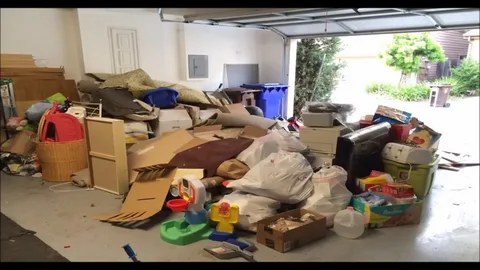
Hoarding affects between 2 and 6% of the population, and the impact reaches far beyond the person living in the space. For families trying to help a loved one through a cleanup, the combination of emotional weight, physical volume, and logistical complexity is often completely overwhelming. Moving Management Services bridges the gap between a situation that feels impossible and a transition that actually gets completed. They provide structure, labor, and compassion for families who often cannot manage this alone.
Emotional and Logistical Support
The emotional dimension of a hoarding cleanup is as significant as the physical one, and professional teams are trained to work with both.
Compassionate Sorting Without Judgment
Every item in a hoarding situation carries meaning to the person who kept it. Professional teams approach sorting as a guided conversation rather than a clear-out. Family members make decisions about what stays, what goes to donation, and what gets discarded. The team provides structure and physical support without applying pressure or making assumptions about what has value.
This approach reduces conflict between family members and the person being helped. It also slows down the pace to one that the individual can emotionally manage rather than one driven purely by logistical urgency.
Privacy and Discretion Throughout
Families often carry significant shame around hoarding situations. Reputable moving management providers send unmarked vehicles, use discreet scheduling, and handle all removed items securely. Valuables are catalogued and transported separately with full documentation. As a result, families can move through the process without fear of exposure or judgment from neighbours or the wider community.
The Integrated Cleanup and Moving Process
A structured step-by-step process is what separates a managed transition from an overwhelming one-day attempt that stalls halfway through.
Step 1: Room-by-Room Assessment
The process begins with a thorough property walkthrough alongside family input. Each room is assessed for volume, hazard level, and priority order. A written plan is produced before any physical work begins. This means families know exactly what to expect on each day of the project, and there are no surprises that trigger emotional setbacks or decision fatigue.
Step 2: Decluttering and Removal
Physical removal is handled entirely by the professional team. This covers:
- Junk removal for items identified as waste, handled with appropriate disposal and eco-conscious routing where possible.
- Donation coordination for usable items directed to local charities or community organizations.
- Storage solutions for items the family wants to keep but cannot accommodate immediately in a new space.
- Hazardous material identification, including mould-affected items, expired food, and biohazard materials that require specialist handling.
In addition, the team works at a pace that keeps the decision-making process manageable. Rushing this stage is one of the most common causes of regret and conflict in hoarding cleanups.
Step 3: Packing and Relocation
Once the property has been cleared to an agreed level, the moving phase begins. Professional teams handle all packing, heavy lifting, and transport to the new home. Fragile or high-value items are packed separately with appropriate protection. Furniture placement at the destination is included in most full-service packages.
This means the family arrives at the new space without the physical and emotional exhaustion that typically follows a self-managed move.
Step 4: Sanitization and Post-Clean Treatment
Hoarding environments frequently develop air quality issues, mould growth, and odour over time. A professional post-clearance clean addresses:
- Deep sanitization of all surfaces, including walls, floors, and fixtures
- Mould treatment and air quality remediation were needed
- Deodorization using professional-grade equipment rather than surface-level masking
- Final inspection to confirm the property meets a habitable or handover standard
Key Benefits at a Glance
| Service Area | How It Supports the Family | Outcome |
| Compassionate Sorting | Guided decisions, no pressure | Reduced overwhelm and conflict |
| Heavy Removal | Full labor, eco-responsible disposal | Clear pathways created quickly |
| Packing and Moving | Professional transport to the new home | Seamless physical transition |
| Deep Cleaning | Sanitization and deodorization | Healthier environment from day one |
When Families Need This Help
Several specific situations make professional moving management support particularly valuable.
Health and Safety Crises
When blocked exits, structural concerns, or poor air quality make a home unsafe, professional intervention addresses the situation quickly without placing the physical and emotional burden on family members who are already stretched.
Downsizing After a Major Life Change
The loss of a spouse, a serious illness, or a move into supported living often forces families to confront hoarding situations built over decades. Pairing Moving Management Services with a referral to a hoarding specialist therapist produces better long-term outcomes than physical clearout alone. The team handles the environment. The therapist addresses what created it.
Starting With a Free Assessment
Most reputable providers offer a no-obligation initial visit to assess the scope, provide an accurate quote, and begin building trust with the individual. Treat this first meeting as an opportunity to ask questions and confirm that the team’s approach feels right before any commitment is made.
Takeaway
Hoarding cleanups are complex and emotionally taxing. Families face physical volume, safety risks, and emotional challenges that often make self-managed cleanouts ineffective. Structured support that combines sorting, removal, moving, and post-cleaning ensures a successful, lasting transition.
LifeCycle Transitions specializes in this integrated approach. Their team handles every step with discretion, pacing, and empathy. Families receive professional coordination from initial assessment through relocation and post-move setup, reducing stress and improving outcomes. A free consultation helps families understand the process and see how a managed approach transforms cleanup into a structured, sustainable transition.
